The Fascination of Ultralight Aircraft
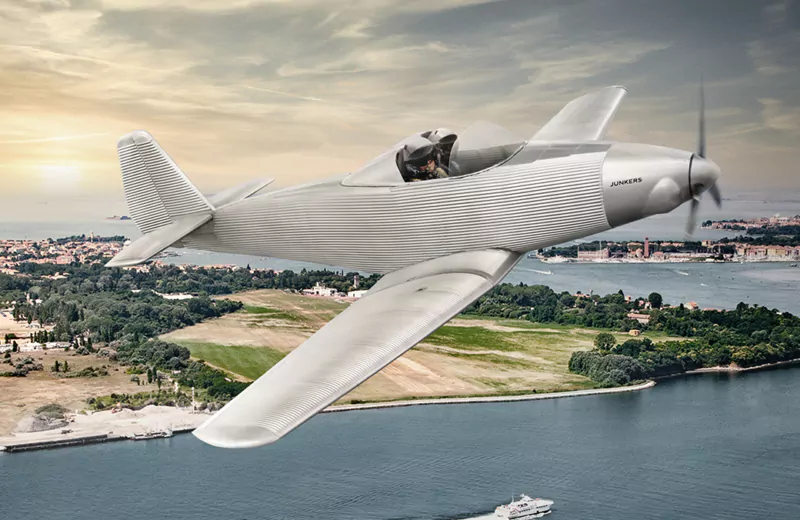
Anyone who has ever taken a close look at an ultralight aircraft (UL) knows: behind its elegant shape lies precision craftsmanship. ULs are not built in just a few days. Instead, they are designed, measured, riveted, and inspected over the course of many weeks before the first takeoff becomes possible. In Germany, ultralight aircraft manufacturers naturally work according to clearly defined standards that guarantee safety and quality. And Junkers Aircraft combines this precision with a construction style that carries the fascination of aviation’s early years into the present.
From the Idea to the Aircraft – How the Manufacturing Process Works
Building an ultralight aircraft: the process essentially takes place in four steps:
- Design – from the first concept through digital simulations to finalized plans.
- Material selection – carbon, aluminum, or composite materials are chosen according to intended use and load requirements.
- Manufacturing – components are produced, fitted, riveted, or bonded.
- Testing – stress tests, inspections, and certification procedures ensure airworthiness.
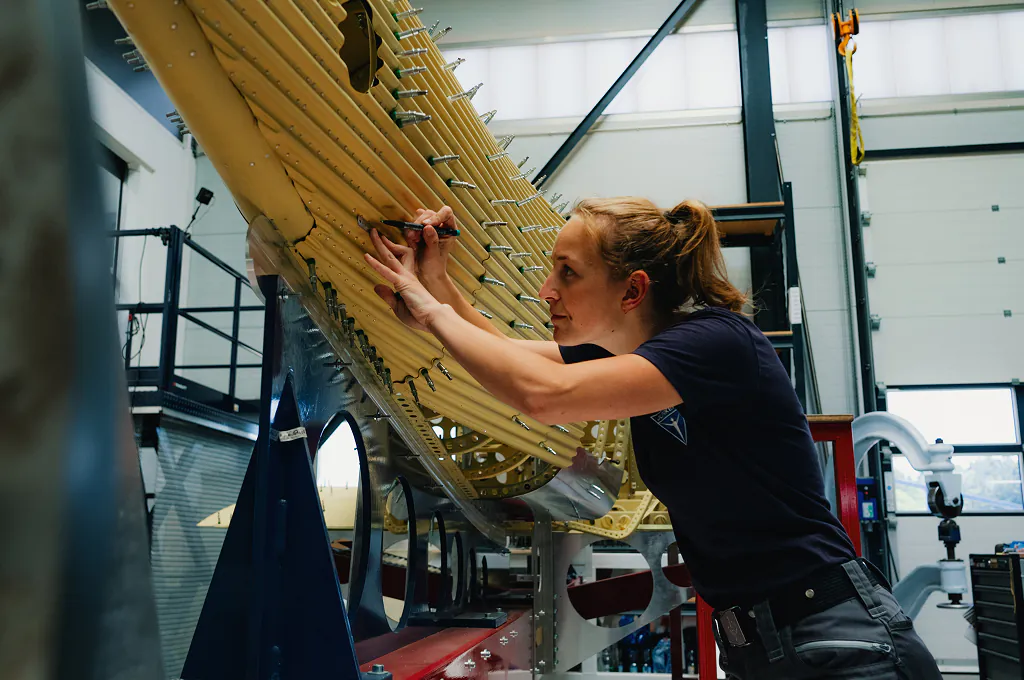
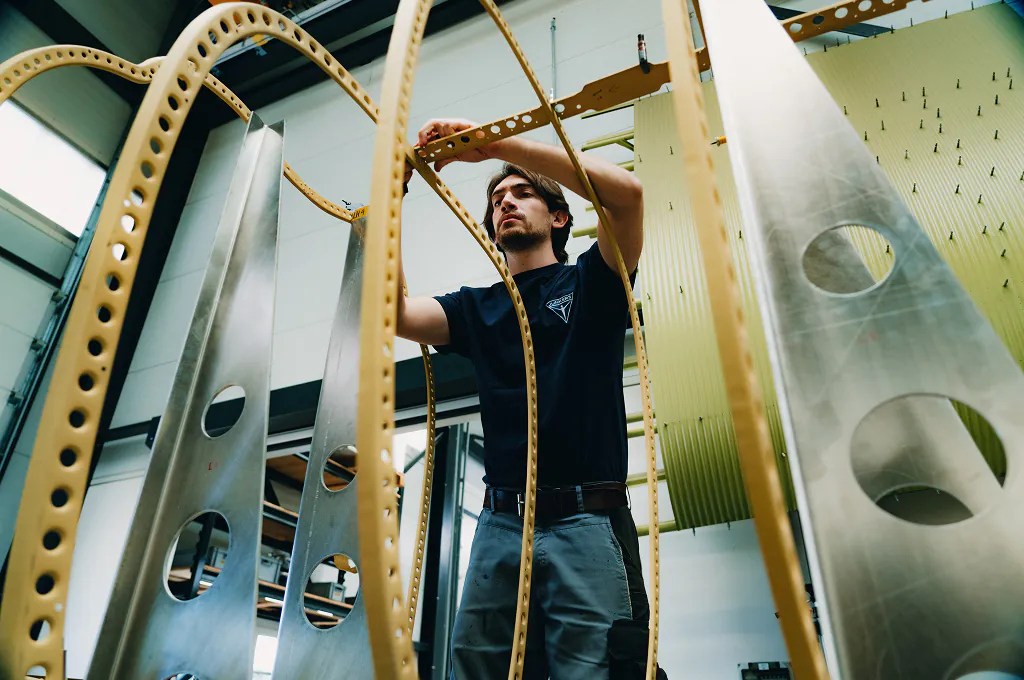
While many manufacturers rely on standardized production methods, every Junkers aircraft is assembled by hand. For example, a Junkers wing consists of around 35,000 rivets and nine spar tubes that are installed piece by piece. Every step requires precision — and ensures that each component is checked multiple times during the construction process.
Materials and Craftsmanship – The Heart of Production
Most ultralight aircraft manufacturers today rely on carbon fiber and modern composite materials. After all, these materials are lightweight, strong, and efficient to process. Aluminum is also widely used, mainly because of its robustness and flexibility.
At Junkers, things are somewhat different. Here, modern technology is combined with a stylish piece of tradition:
Visible history: Thousands of rivets are set by hand, and every connection is checked — creating not only a safe aircraft, but also a visible piece of aviation heritage.
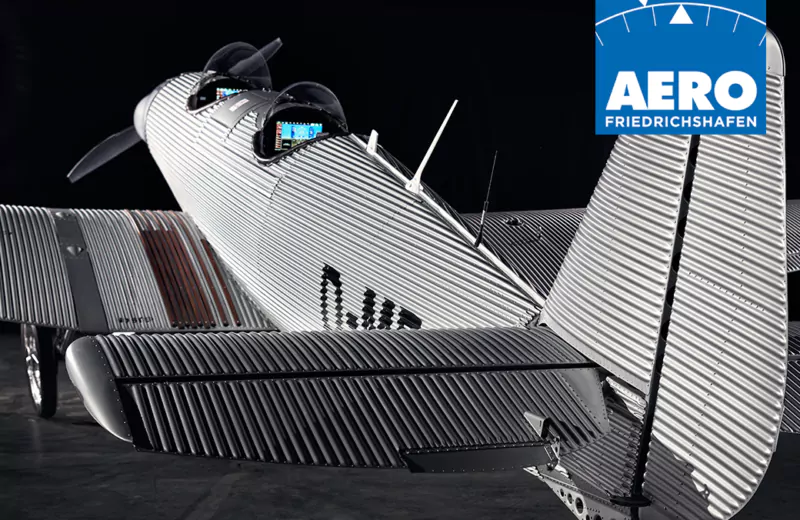
Traditional construction: Junkers has always relied on classic metal ribs and the characteristic corrugated sheet structure reminiscent of the early years of aviation.
Millimeter-precise craftsmanship: Where other manufacturers use large carbon components, Junkers shapes individual metal sheets by hand, fits them precisely, and carefully rivets them in place.
Elaborate manufacturing: This detailed work requires more time, but it gives each aircraft a distinctive and unmistakable character.

Quality & Safety – Why Junkers Works Differently
Before an ultralight aircraft is allowed to take to the skies, it must pass strict inspections: stress tests, material checks, and official approvals are required almost worldwide. In Germany, there is an additional legal requirement — the inspection of the total rescue system, which must be installed in the aircraft.
These mandatory tests are the same for all manufacturers. What becomes interesting is how manufacturers integrate these requirements into the construction process itself. In many production environments, inspections mainly take place at the end. At Junkers, however, testing is built directly into the workflow. Every rivet and every component is not only installed during fitting but also checked for precise alignment — often using a multi-person verification process. In addition, continuous functional checks are carried out: control cables, control surfaces, and hinges are tested already during assembly. In this way, safety grows step by step throughout the entire construction process.
Conclusion – Tradition Meets Modernity
Building an ultralight aircraft is always a collaborative effort between technology, materials, and experience. In Germany, ultralight aircraft manufacturers follow particularly strict standards. Junkers Aircraft complements these with a craftsmanship-based approach in which attention to detail, traditional construction methods, and modern technology come together.
If this has sparked your curiosity, the best way to experience Junkers is through a personal consultation or a test flight. It quickly becomes clear how much craftsmanship and passion go into every single aircraft.