Flying is a childhood dream for many people. And with an ultralight aircraft, that dream is closer than ever. After all, if you want to take to the skies, you don’t have to complete an extensive private pilot training program or finance a large aircraft. Ultralight flying is the simple, safe, and affordable way to enter the world of private aviation.
Many beginners ask themselves: What do I need to keep in mind when flying ultralights? What mistakes do beginners make? How do I find the right aircraft? What is the best way to get started?
This is exactly where we provide the answers. Step by step — from your first trial flight to owning your own aircraft. That way, you’ll be fully prepared to take the controls yourself before long.

1. Getting Started with Ultralight Flying
Ultralight aircraft, often called ULs, are small, agile aircraft designed for one or two people. They are lighter than traditional sport aircraft, often reach cruising speeds between 130 and 250 km/h, and can have a range of up to 1,000 km. They are light, flexible, and surprisingly capable — the ideal aircraft for beginners.
A trial flight is the perfect way to start. It allows you to experience what flying feels like and find out whether you truly feel at home in the cockpit.

2. Finding the Right Flight School
The path to becoming a UL pilot leads through the sport pilot license (SPL-UL).
Requirements: minimum age of 16 (license issued from 17), a basic medical certificate (LAPL), and around 60 hours of theory plus at least 30 hours of practical flight training.
The training usually takes between 6 and 12 months. When choosing a flight school, pay attention to experienced instructors, well-maintained aircraft, and transparent procedures. A trial flight or a visit on site can help you build trust — after all, this is where you lay the foundation for your future in aviation.
You should not see the theory lessons as a dry obligation, but rather as a key to greater safety and confidence in the air. Here you will learn everything that truly matters later — from aerodynamics, navigation, and meteorology to aircraft technology and aviation law. If you approach it with genuine interest, learning becomes enjoyable and gives you the confidence to react correctly in any situation. Specialist books, simulators, or online courses can also help deepen your knowledge and build routine.
And one more thing: take your time. Your first solo flight after around 15–20 hours is an unforgettable moment — it will come when you are truly ready.

3. Learning to Fly Safely – Your First Routine
Safety begins with habit. Even during training, you should develop consistent routines:
- careful pre-flight checks
- weather briefings before every flight
- checking weight, center of gravity, and fuel
By the way: after every flight, it’s worth having a short discussion with your flight instructor. What went well, and what could you improve? These debriefings help establish optimal procedures. Discipline and attentiveness pay off at the latest during your first solo flight — and they will accompany you throughout your entire flying career.
But the most important factor remains the pilot. Those who prepare well, fly attentively, and know their own limits make the most of the high safety standards of modern UL aircraft. And the accident statistics show: with proper training, ultralight flying is a very safe hobby.
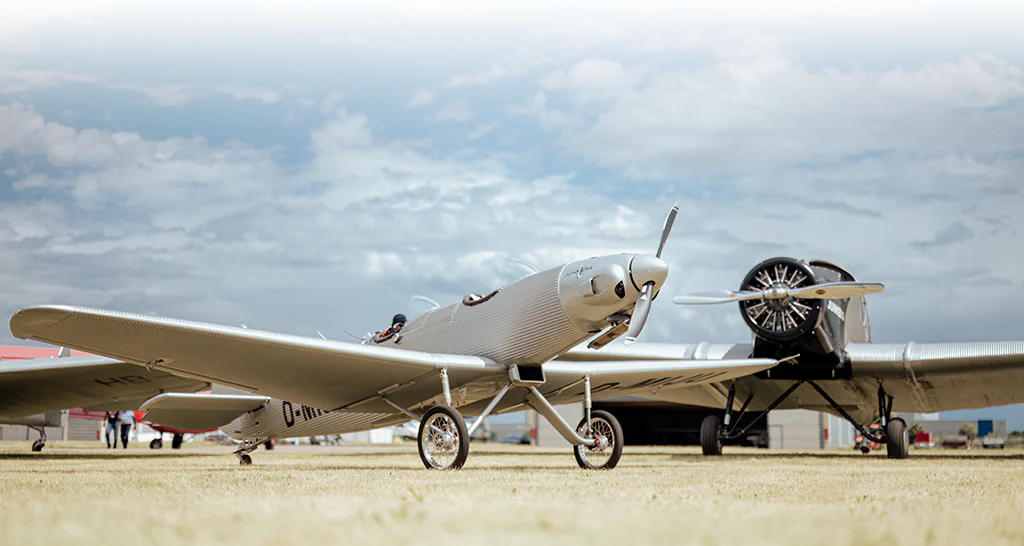

4. Choosing the Right Aircraft: Which UL Suits You?
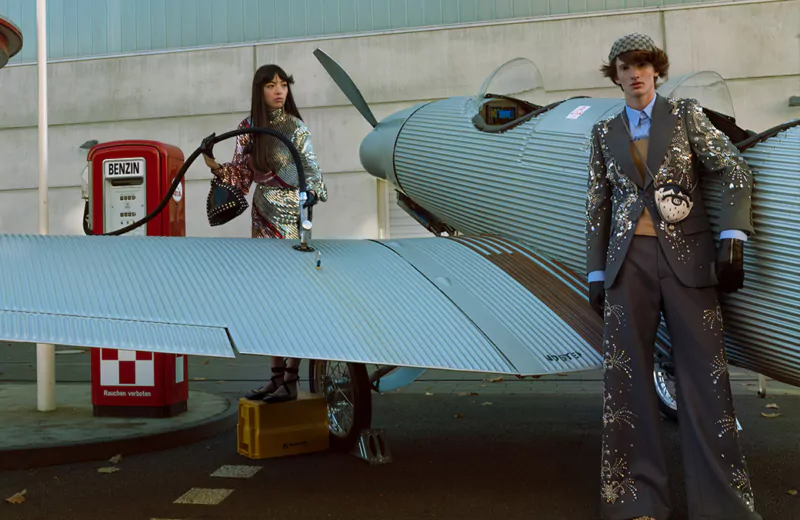
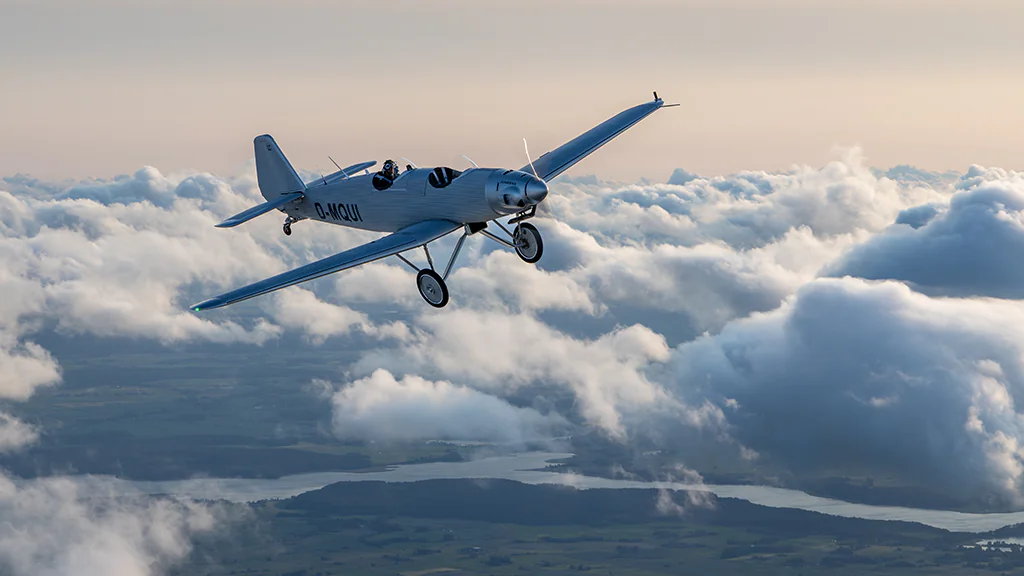
Before deciding on a model, think carefully about what you want to do with the aircraft. Do you enjoy relaxed sightseeing flights in your region? Or are you more interested in traveling with a passenger, perhaps with luggage and navigation over longer distances? The choice is yours: UL aircraft vary greatly, from classic high-wing planes with excellent views above the clouds to sporty low-wing models or retro aircraft in the style of the 1920s. Your choice depends on what matters most to you: comfort, speed, appearance, or ease of handling.
Especially for beginners, the rule is: a calm, easy-to-fly UL provides more enjoyment and safety than a high-performance model.

5. Models for Beginners
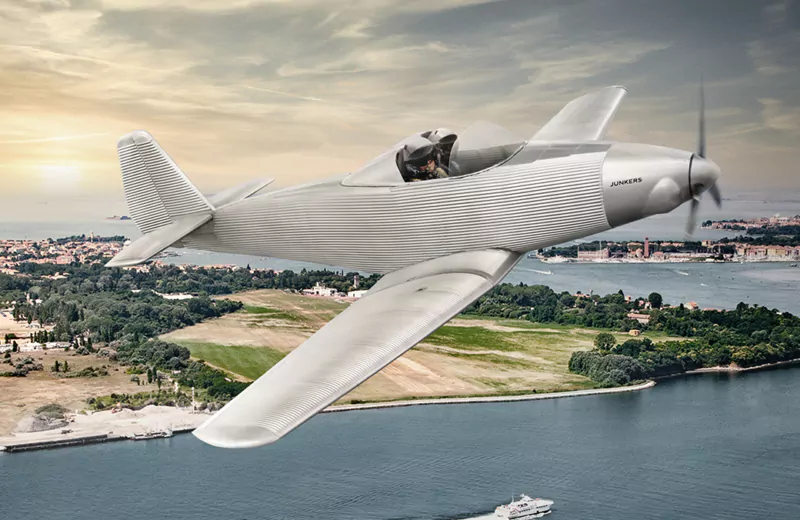
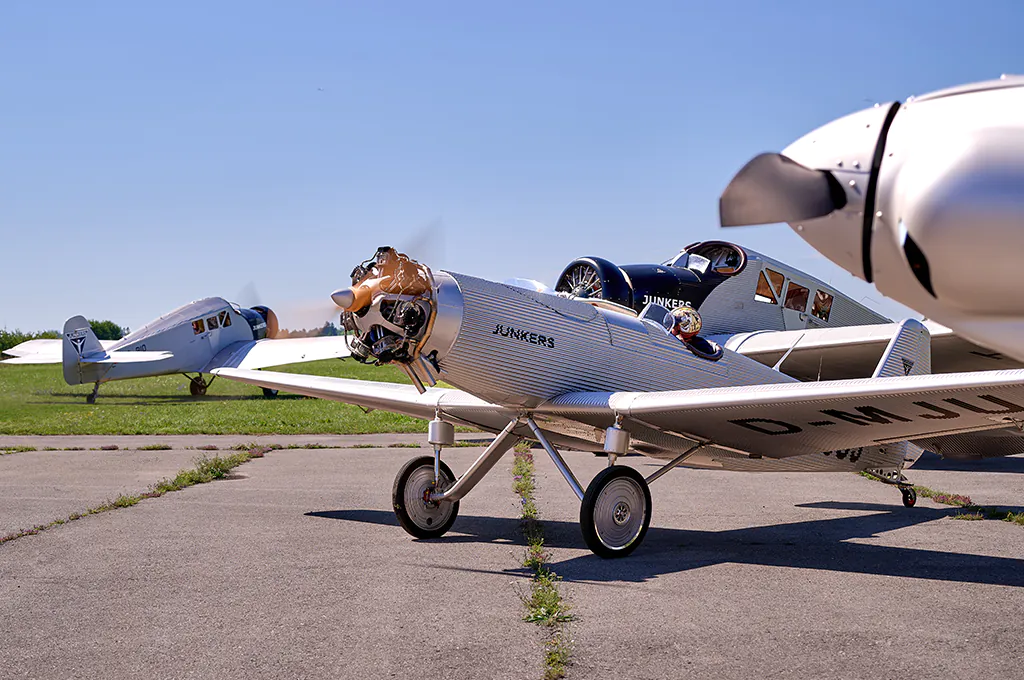
Interested in a UL model? In Germany, you have a good range of options. For example, if you want to combine the dream of flying with the style of past eras, you can find the right aircraft at Junkers Aircraft.
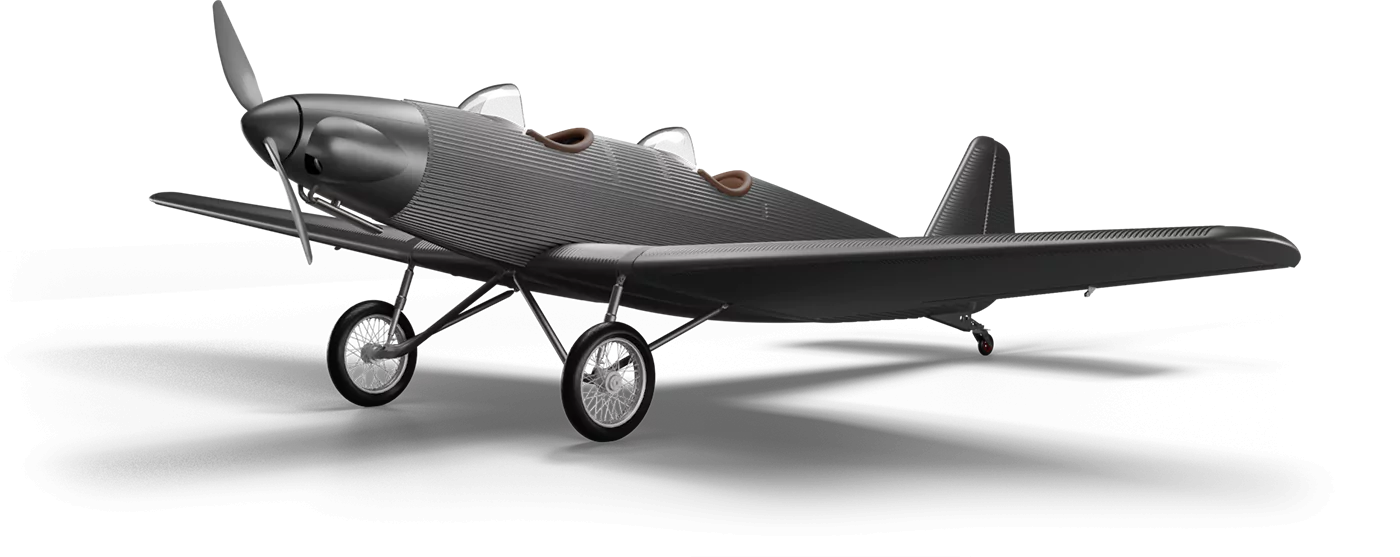
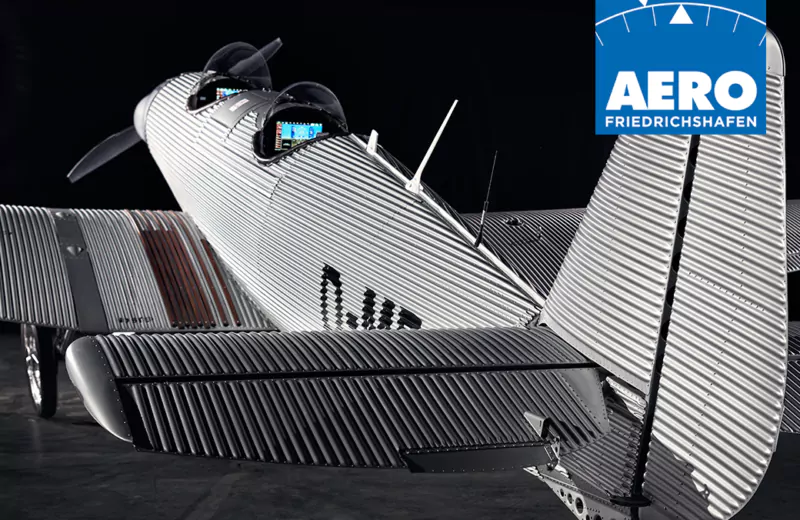
The A50 Junior — an ultralight aircraft in the style of the 1930s, equipped with modern safety technology and an efficient engine.
Discover the A50 Junior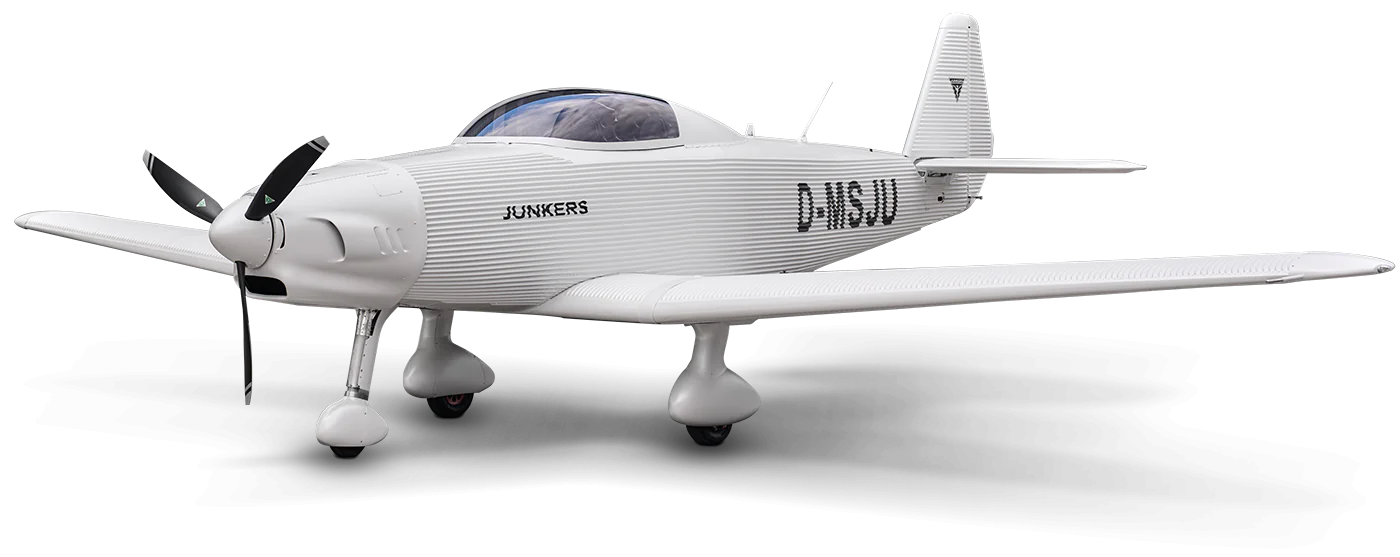
The A60 — a modern carbon ultralight featuring digital avionics and a glass cockpit for precise and comfortable flying.
Discover the A60
6. New or Used? How to Make the Right Purchase Decision
Buying your own ultralight aircraft is a decision that should be carefully considered. New ULs offer the latest technology, warranty, and full equipment, while used models are often more affordable and therefore a very good option for many beginners. In that case, pay attention to a complete maintenance history, valid inspections, and a properly kept logbook. If possible, take a test flight with an experienced UL pilot — they can quickly tell whether the engine and instruments are in good condition.
And what about building your own aircraft?
Yes, there are so-called kit planes that you can assemble yourself. However, this requires technical know-how, a lot of time, and close coordination with aviation authorities. Financially, building your own aircraft rarely pays off — most pilots are better advised to choose a certified production UL (new or used).

7. Plan Your Costs Realistically
In addition to the training, you should also take a close look at the ongoing costs. This allows you to plan your new hobby accurately and avoid unpleasant financial surprises.
Examples:
- hangar space: approx. €100–300 per month
- fuel: about €15–25 per flight hour (usually automotive gasoline)
- maintenance & inspections: €1,000–2,000 per year
- insurance: from €300 per year
Operating a UL is more affordable than many people think — especially if you plan ahead and use your aircraft regularly.

8. Maintenance, Care & Safety in Everyday Flying
Technical reliability is the heart of every aircraft. Follow the prescribed maintenance intervals, have all work carried out only by qualified technicians, and carefully inspect your UL before every flight. By checking the fuel, oil, control surfaces, tires, and electrical systems, you’ll be on the safe side — or rather: flying safely.
In addition, you should regularly take part in safety training sessions or refresher flights. Even experienced pilots benefit from reviewing their routines from time to time — learning never stops in ultralight flying.

9. Assessing the Weather Correctly
Ultralight aircraft react sensitively to wind and turbulence. As a beginner, you should only fly in calm weather and postpone the flight if you feel unsure. A thorough weather briefing before every flight and respecting your personal limits are signs of professionalism — not weakness. Those who can interpret weather reports and respect their own flying limits have the best conditions for flying safely.

10. The Right Place for Your Aircraft
Where is your UL when it’s not flying? A hangar space at your home airfield is the most convenient solution — protected from the weather, secure, and ready to go. Many pilots also join clubs or ownership groups to share costs and benefit from the exchange of experience. Some ULs can even be transported on trailers and stored at home. There are therefore many ways to store an ultralight aircraft safely and properly.

11. Flying Together & Continuing to Learn
The real learning journey begins after you receive your license. Stay active: fly regularly, attend safety trainings, and refresh your knowledge of airspace and technology.
And above all: connect with other pilots. Whether in clubs, at aviation events, or in online communities — the exchange is invaluable. Experienced UL pilots share tips, accompany beginners on their first cross-country flights, and make the hobby even more relaxed — and more enjoyable.
Conclusion
Ultralight flying combines freedom, technology, and passion like almost no other hobby. With the right preparation and a reliable partner like Junkers Aircraft at your side, it becomes a safe and truly rewarding experience.